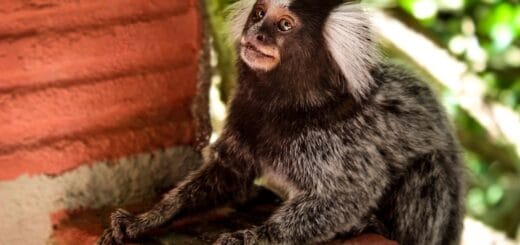
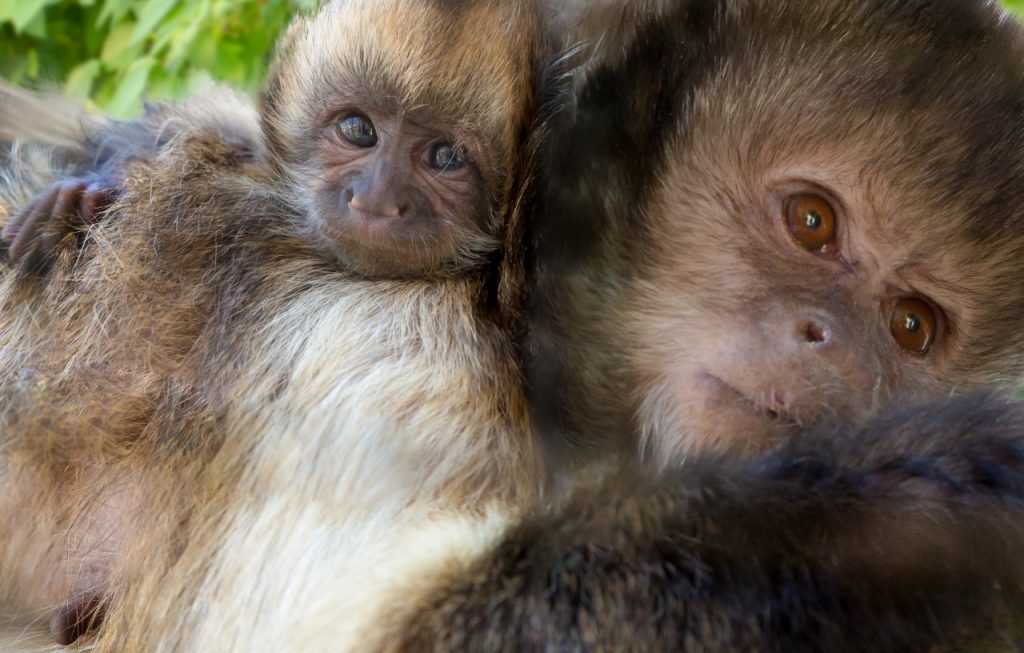
Serum biochemistry comparisons between males and females in mantled howler monkeys (Alouatta palliata) using i-STAT Alinity V and Vetscan 2
Citation
McGlone C, Moresco A, Sanchez-Murillo F, Yarto-Jaramillo E, Citaku I, and Ange-van Heugten K. 2025. Serum biochemistry comparisons between males and females in mantled howler monkeys (Alouatta palliata) using i-STAT Alinity V and Vetscan 2. In Treiber K, Brooks M, D’amato-Anderson J, Nylander J, Eds. Proceedings of the Sixteenth Conference on Zoo and Wildlife Nutrition, AZA Nutrition Advisory Group, Oklahoma City, OK.
Abstract
Serum biochemistry values are vital information for the care of managed and wild populations in any species. Obtaining high quality blood samples to build reference ranges in vulnerable species, like the mantled howler monkey (Alouatta palliata), is important but challenging due to the necessity of field work, difficulties of legal sample transport, and limited protocols for handling exotic animals. There is no information about this particular species in the Zoological Information Management Systems (ZIMS) database, and normal ranges are not established for several routinely used health analyzer biochemistry values, including those from the i-STAT Alinity V. During routine veterinary health examinations, this study examined a unique large group (n = 35; 19 females and 16 males) of visually healthy rehabilitating sanctuary monkeys from International Animal Rescue, Guanacaste Province, Costa Rica that were rescued locally. Blood samples were collected from the femoral vein into vacutainer tubes after monkeys were withheld food and water overnight. Twenty whole blood biochemistry values were immediately measured across two laboratory analyzers, the i-STAT Alinity V handheld point of care patient-side device (anion gap, blood urea nitrogen, chloride, creatinine, glucose, hematocrit, hemoglobin, ionized calcium, potassium, sodium, and total carbon dioxide) and the Vetscan 2 tabletop analyzer (albumin, alkaline phosphatase, alanine aminotransferase, amylase, blood urea nitrogen, calcium, creatinine, globulin, glucose, potassium, phosphorus, sodium, total bilirubin, and total protein). Novel reference ranges for all values on both machines were established for a healthy population of rehabilitating mantled howler monkeys. No significant differences (SAS, Cary, NC (P = 0.05)) between males and females existed across any values on either device. Glucose trended higher (102.9±6.64 vs 89.9±6.09, P = 0.061) on the Vetscan 2 analysis and creatinine trended higher (0.75±0.08 vs 0.54±0.07, P = 0.076) on the i-STAT Alinity V, both in males. While not statistically significant, these results may be clinically relevant. Findings from recently published data in wild populations of a different subspecies show some statistically significant variations between the sexes, highlighting the need for further investigation into managed-care versus range monkey populations. Understanding sex-based distinctions in biological markers can help steer medical and nutritional decisions. It is critical to monitor and evaluate potential rehabilitation successes to preserve this vulnerable species as attempts are made to reintroduce them back to their native habitats.
 McGloneHowlerZN2025Poster.pdf 153 KB